Christmas Clipart, Cute Santa Clipart: A Designer’s Review for Illustrations and Blog Graphics
In the world of digital publishing, visuals are not merely decoration; they are the first handshake with your reader. As a blog designer who has spent years optimizing content for both search engines and human attention spans, I evaluate every graphic asset based on one critical metric: does it build trust and encourage engagement? When evaluating Christmas Clipart, Cute Santa Clipart, we must look beyond the holiday theme and assess its utility as a versatile graphic design asset for serious content creators.
This review examines how this specific set of Illustrations fits into a professional editorial workflow. Whether you are managing an affiliate blog, running a lifestyle newsletter, or creating downloadable resources, understanding the visual hierarchy and brand alignment of your assets is essential. Below, I break down the practical application of these graphics in real-world publishing scenarios.
The First Impression: Editorial Mood and Brand Alignment
When you first load a pack of festive graphics, the immediate question is about tone. Does Christmas Clipart, Cute Santa Clipart feel authentic to your brand identity, or does it clash with your existing visual system? For many bloggers and small business owners, the challenge lies in balancing seasonal cheer with professional credibility.
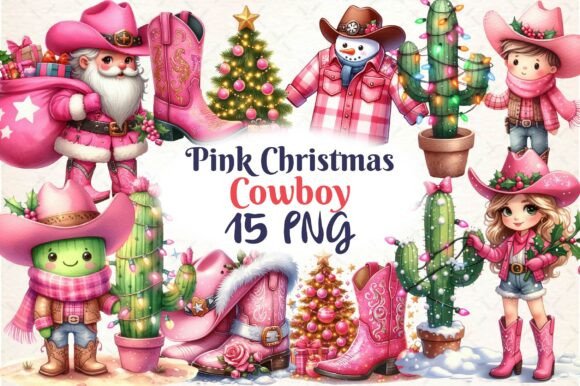
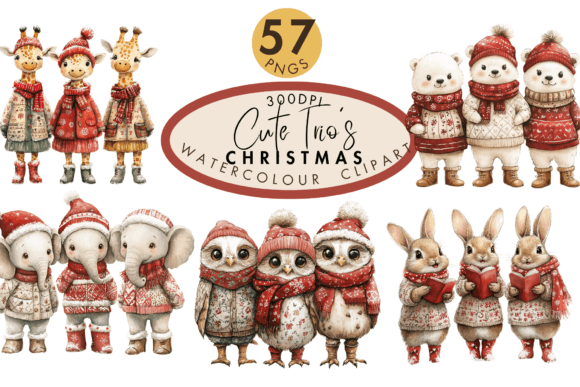
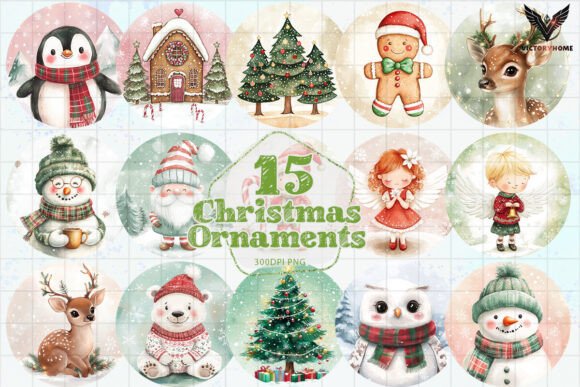
This particular collection leans heavily into a playful yet polished aesthetic. The style suggests a modern design approach that avoids the cluttered, overly chaotic look often associated with free holiday clipart. Instead, it offers clean lines and charming character work that aligns well with lifestyle-focused niches. If your website caters to family activities, parenting tips, cozy home decor, or gift guides, this asset supports a warm, inviting mood that encourages readers to stay longer.
However, if your niche is strictly corporate B2B or serious financial advice, this creative design element might feel too informal. In those cases, the lack of minimalism could distract from your message. But for content marketing strategies that rely on emotional connection and seasonal relevance, the visual appeal here is strong. It creates a sense of approachability, which is crucial for building reader trust during the high-traffic holiday season.
Real-World Publishing Applications
A graphic design asset is only valuable if it solves a problem in your workflow. Here is how I have seen these illustrations integrate seamlessly into various content formats:
- Blog Featured Images: The primary use case for these graphics is enhancing article headers. By replacing generic stock photos with custom-designed blog graphics, you create a unique visual identity that stands out in social media feeds. This is particularly effective for listicles such as "Top 10 Gift Ideas" or "Holiday Recipe Roundups."
- Pinterest Pins and Social Media Graphics: Pinterest remains a powerhouse for driving traffic to blogs and affiliate sites. These cute Santa illustrations are perfectly sized and styled for vertical pin designs. They capture attention in a crowded feed without requiring complex editing skills, making them ideal for social media graphics that need to perform well across platforms.
- Digital Guides and Lead Magnets: For email marketers and online educators, offering a freebie is a key strategy. Using these illustrations in the cover design of a digital guide or lead magnet (such as a printable holiday checklist) adds perceived value. It signals to the user that the content inside is curated and professionally presented.
- Newsletter Headers: Email open rates can dip during the holidays due to inbox saturation. A distinct header image featuring these characters helps your newsletter stand out visually. It reinforces your brand identity while adding a touch of seasonal personality that subscribers enjoy seeing.
- Category Thumbnails: Organizing your site with clear visual cues improves navigation. Assigning this illustration style to a "Holiday Deals" or "Seasonal Crafts" category page creates a cohesive browsing experience. This consistency aids in category recognition, helping users intuitively find the content they want.
Impact on Content Performance and User Trust
Why does the quality of your design assets matter for SEO and conversions? Search engines prioritize user experience metrics like bounce rate and time on page. High-quality visuals contribute to a polished web design that keeps visitors engaged.
Using a cohesive set of Illustrations like this helps establish a stronger visual hierarchy. When your featured images, sidebar accents, and download buttons share a consistent artistic style, the entire page feels more intentional. This professionalism translates to higher reader trust. Visitors are more likely to click through to affiliate links or purchase products when the surrounding content looks reliable and well-crafted.
Furthermore, these assets support better click-through potential. On platforms like Pinterest or Instagram, eye-catching but clean imagery performs better than busy, low-resolution clips. The cute aesthetic of the Santa figures invites interaction, subtly encouraging users to stop scrolling and engage with your content.
Strategic Placement: Where It Works Best
To maximize the effectiveness of this commercial design asset, consider where it shines brightest in your layout:
- Hero Images: Use large versions of these graphics at the top of landing pages or dedicated holiday campaign pages to immediately set the theme.
- Article Thumbnails: Integrate smaller icons or cutouts into your post thumbnails to add a pop of color and context.
- Editorial Accents: Use subtle elements as bullet points or dividers within long-form articles to break up text and maintain interest.
- Downloadable Resources: Include these in printables, worksheets, or eBooks to enhance the aesthetic appeal of functional documents.
Cautions and Technical Considerations
Even the best modern design elements can fail if implemented poorly. As a publisher, you must be mindful of context:
- Mobile Optimization: Always test how these graphics appear as small mobile thumbnails. Complex details may get lost on smaller screens. Ensure the focal point of the Santa illustration is clear even at reduced sizes.
- Contrast and Readability: Avoid placing these graphics over busy backgrounds or low-contrast areas. Text overlaid on festive patterns can become unreadable, hurting accessibility and user experience.
- Niche Appropriateness: Be cautious using these in serious professional niches. If your audience expects stark minimalism, playful clipart may undermine your authority.
- Font Pairing: Test these illustrations alongside your chosen typography. They pair well with rounded sans-serif fonts for a friendly look, or script fonts for a handwritten, personal feel. Avoid clashing with rigid display fonts unless aiming for a specific retro aesthetic.
Practical Publisher Notes for Implementation
Before dropping these files into your CMS or Canva template, follow this checklist:
- File Size and Performance: Compress images properly to ensure fast loading times. Slow websites hurt your SEO rankings. Aim for WebP or optimized PNG formats.
- Licensing Verification: Confirm your commercial license allows usage on monetized websites, affiliate pages, and paid digital products. Some marketplaces restrict commercial use differently.
- Black and White Testing: Preview the graphics in grayscale to check their structural integrity. Good design holds up even without color.
- Consistency Check: Ensure the style matches other design assets on your site. Mixing cartoonish clipart with photorealistic stock can create a disjointed brand identity.
In conclusion, Christmas Clipart, Cute Santa Clipart is a robust tool for bloggers and publishers looking to elevate their seasonal content. By integrating these Illustrations strategically into your web design, content marketing, and affiliate marketing efforts, you can create a more engaging, trustworthy, and visually appealing online presence. Remember, great design is not just about looking good; it is about communicating effectively and supporting your business goals.