Christmas Dogs with Deer Antlers Clipart Review
As a designer who spends half my life staring at digitized files and the other half troubleshooting stitch errors on the hoop, I approach every new asset with a mix of hope and skepticism. We all know the drill: you find a cute graphic online, download it, and then spend an hour wondering if it’s going to look charming or like a muddy mess once it hits the fabric. That is exactly where I was when I first pulled up Christmas Dogs with Deer Antlers Clipart. It sits squarely in the Illustrations category, but for us embroidery folks, "illustration" is just a fancy word for "potential headache" or "potential bestseller." So, I decided to put this design through its paces, not just by looking at the pixels, but by imagining how it translates into a tangible, wearable, or givable object.
The First Impression: Mood and Visual Personality
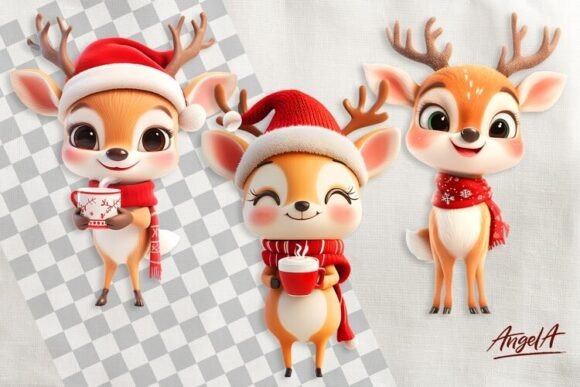
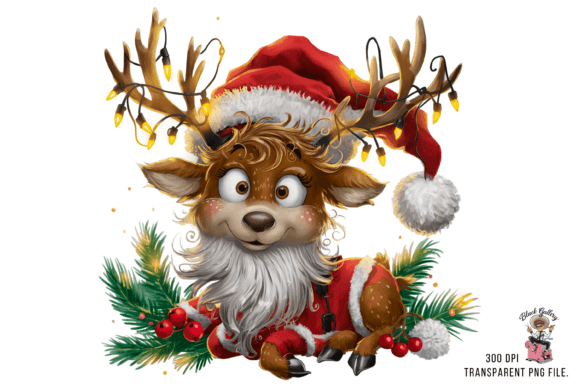
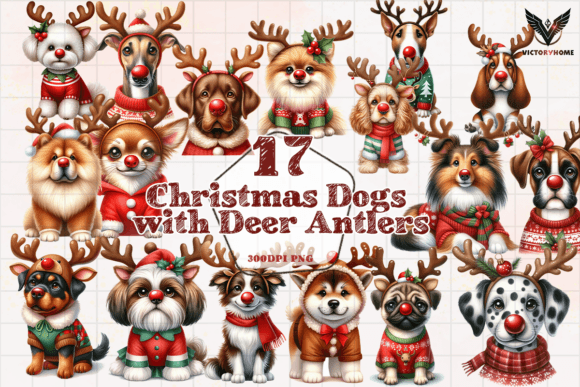
The moment you look at Christmas Dogs with Deer Antlers Clipart, the mood is immediately set. It isn’t trying to be high-art; it’s aiming for cozy, festive, and undeniably cute. The concept of dogs sporting deer antlers is a classic holiday trope that resonates deeply with pet lovers, which is a huge demographic for handmade goods. Visually, the design feels balanced. It doesn’t rely on chaotic clutter to convey the Christmas theme. Instead, it uses clean lines and distinct shapes that suggest a certain level of thoughtfulness in the original artwork.
From a design perspective, what stands out is the clarity of the subject. The antlers are prominent, giving the piece a strong focal point, while the dog’s expression (assuming a happy, wagging demeanor typical of this genre) adds emotional weight. This kind of visual personality works exceptionally well for holiday embroidery projects because it bridges the gap between traditional Christmas imagery and the modern love for pets. It feels less like a generic clipart and more like a character you’d want to see on your front door or your favorite mug. For an Etsy seller or someone running a craft business, this kind of immediate emotional connection is gold. It tells the customer, "I understand what you love," before they’ve even read the product description.
Real-World Application: From Screen to Stitch
Let’s talk about where this design actually shines. I imagine Christmas Dogs with Deer Antlers Clipart performing beautifully on soft, plush fabrics. A sweatshirt embroidery project using this design would likely result in a highly desirable item. The contrast between the soft fleece of a hoodie and the crisp, defined stitches of the design creates a tactile experience that customers appreciate. Similarly, this design would translate well to a tote bag design made from sturdy canvas. The structure of a tote can support the weight of the stitching without distorting, allowing the details of the antlers to pop.
I also see this as a strong contender for baby items. There is something inherently sweet about pairing holiday themes with animals for nursery decor or baby clothes. A onesie featuring this motif could easily become a top-tier gift for a holiday baby shower. However, the success here depends heavily on the execution. When digitizing or preparing this embroidery file, you need to ensure that the smaller details—like the eyes or the texture of the fur—are simplified enough to remain clear at a small scale. If the design is too dense, it might turn into a blob on a tiny chest area.
For those selling digital products, this image serves as excellent design assets. You can use it to create printable mockups for tea towels or pillow covers. The versatility of the illustration allows it to sit comfortably in various contexts, whether it’s a kitchen towel for a hostess gift or a decorative accent on a living room throw pillow. It fits the "hygge" aesthetic perfectly, adding warmth to a home environment without being overly loud or aggressive in its decoration.
Where Caution Is Required
Not every surface is created equal, and Christmas Dogs with Deer Antlers Clipart has its limitations. I would advise against attempting this design on textured fabrics like heavy tweed or loose-weave burlap. The irregular surface will interfere with the needle penetration, leading to skipped stitches and a generally messy finish. Similarly, thin fabrics like silk or lightweight rayon require significant care. Without proper stabilizer support, the tension of the thread could pucker the material, ruining the drape of the garment.
Stretchy fabrics present another challenge. While jersey knits are popular for t-shirts, they move. If the stitch density of this design is high, the elasticity of the fabric might cause the embroidery to crack or tear over time, especially around the curves of the antlers. Curved surfaces, such as caps or hats, also demand careful planning. The distortion inherent in curving a flat design onto a rounded crown can stretch the details, making the dog look slightly off-kilter. In these cases, a lower stitch count and simpler outlines are preferable.
Dark fabrics require thoughtful thread selection. If the original illustration relies on subtle shading, you might lose that nuance on black or navy fabric unless you use high-quality variegated threads or specific underlay stitches. Furthermore, avoid placing intricate details in corners or edges where they might get caught or worn down during frequent washing. For items like aprons or workwear that endure heavy use, simplicity wins. A bold, central placement ensures longevity and maintains the integrity of the finished product.
Practical Designer Notes for Success
Before you commit to mass-producing items with Christmas Dogs with Deer Antlers Clipart, there are several technical steps you must take. First, always test the design on scrap fabric that matches the final material in both type and color. This reveals issues with thread slippage, puckering, or color clash that you won’t see on a computer screen.
Check the thread colors carefully. Do the chosen threads provide enough contrast against the background? If the design includes white highlights on a light-colored fabric, you may need to add a backing layer or switch to a metallic thread for visibility. Review the stitch density as well. If the fill areas are too dense, the fabric will become stiff and uncomfortable. If they are too sparse, the base fabric might show through, creating a patchy appearance.
Inspect the small details closely. Are the antler tips sharp, or do they blur together? Can you clearly distinguish the dog’s features? If you’re unsure, try converting the design to black and white in your editing software. This removes color bias and helps you evaluate the structural clarity of the shapes. Also, confirm the hoop size requirements. Ensure your machine can accommodate the dimensions without requiring multiple hooping sequences, which can lead to alignment issues.
Finally, never overlook the legal and practical side. Confirm whether the digital embroidery file allows for commercial use. Many illustrators restrict sales of finished goods, or they may require a specific license tier. Clear licensing protects your reputation and avoids potential disputes. By following these steps, you ensure that your handmade product reflects professionalism and quality, building trust with your customers and encouraging repeat business.
In conclusion, Christmas Dogs with Deer Antlers Clipart is a versatile, charming addition to any designer’s toolkit. It captures the spirit of the season while offering broad appeal across various product categories. With careful attention to fabric choice, stitch quality, and licensing, it can elevate your small shop product line and delight customers looking for something special this holiday season.