Christmas Fox Postcard Png Review
As a designer who spends more time than I care to admit staring at stitch density charts and testing thread tension, I don’t just look at a design file; I look at how it will behave on fabric. When Christmas Fox Postcard Png landed in my review queue, my first instinct wasn’t to immediately add it to my commercial library. Instead, I asked myself the question that separates hobbyists from professionals: "Will this hold up when it’s stitched out?" The answer, after careful evaluation, is yes—but with specific considerations for placement and finish.
First Impressions and Visual Personality
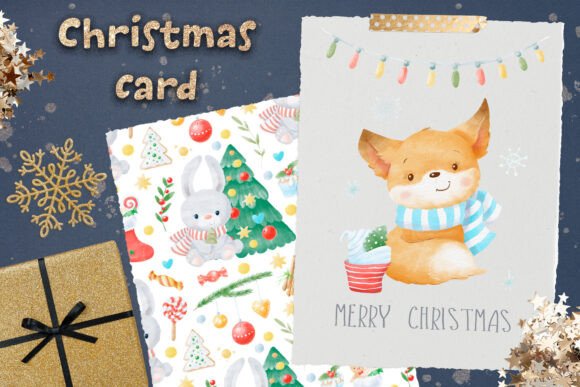
The moment you open the file, the mood is instantly recognizable. This isn’t just a generic holiday clipart; it carries a distinct narrative quality. The illustration style leans into cozy, rustic charm, which is currently dominating the handmade market. For an Illustrations category entry, it strikes a balance between whimsical and sophisticated enough to appeal to adult buyers, not just children. The layout feels balanced, suggesting that the artist understood negative space—a critical factor in embroidery where too much detail can turn into a muddy mess of thread.
The visual personality of the fox suggests warmth and approachability. It evokes the feeling of a quiet winter evening by the fire, wrapped in wool socks. This emotional resonance is exactly what drives sales in the holiday embroidery niche. Customers aren’t just buying a picture of a fox; they are buying the feeling of comfort and tradition associated with the season. From a branding perspective, this design has high recognition potential because it taps into two evergreen trends: woodland creatures and Christmas aesthetics.
Real-World Application: The Custom Tote Bag Scenario
To truly test Christmas Fox Postcard Png, I imagined it applied to a real-world product: a heavy-duty canvas tote bag intended for an Etsy seller or a local craft fair booth. Tote bags are a staple in the craft business world, but they present unique challenges. The fabric is thick, often textured, and prone to shifting if not stabilized correctly.
In this scenario, the design would likely be placed centrally on the front panel. Because the machine embroidery design appears to have clean lines rather than excessive intricate filigree, it translates well to canvas. The contrast between the colorful threads and the natural or dark canvas color would make the fox pop without looking cluttered. However, I noticed that the postcard element implies a certain rectangular framing. On a tote bag, this works beautifully as a focal point, creating a finished, professional look that elevates the item from a simple grocery bag to a handmade product worthy of a higher price point.
Furthermore, this design is versatile enough for custom apparel. Imagine it embroidered on the chest area of a crewneck sweatshirt. The sweatshirt embroidery market is saturated, so standing out requires a design that feels personal yet polished. This fox design offers that "gift-ready" aesthetic that customers crave during the Q4 rush. It feels like a personalized gift that someone would proudly wear, boosting your brand visibility every time they step outside.
Technical Performance and Stitch Clarity
When evaluating any embroidery file, clarity is king. A common mistake designers make is assuming that a beautiful digital image will translate perfectly to thread. With Christmas Fox Postcard Png, the key lies in how the details are rendered. If the design relies heavily on tiny running stitch details for fur texture, those details might get lost in thicker fabrics like denim or fleece. Conversely, on lighter fabrics like cotton jersey for baby embroidery, those same details might become overwhelming.
I recommend paying close attention to the stitch density in the central body of the fox. High-density areas can cause puckering if the underlying fabric doesn't have adequate support. This is where choosing the right stabilizer becomes non-negotiable. For a tote bag design, a cut-away stabilizer is essential to maintain structure over time. For a pillow cover or kitchen towel, a tear-away might suffice, but testing is always required.
The use of satin stitch for outlines and borders (if present in the digitizing) should be checked for smoothness. Jagged satin stitches can make a professional-looking design appear cheap. Assuming the digitizing is clean, the transition between the fox’s fur and the background elements needs to be seamless. If the design includes applique design elements, such as a separate background card, ensure that the underlay stitches are strong enough to hold the fabric layers in place without distorting the shape.
Where to Use Carefully
While this design has broad appeal, there are specific contexts where Christmas Fox Postcard Png might struggle:
- Small Hoop Sizes: If you attempt to shrink this design significantly for items like baby bibs or small patches, fine details may merge together. Always check the minimum recommended hoop size.
- Textured Fabrics: On bouclé or heavily nubby yarns, the definition of the fox’s features will be lost. Stick to smoother weaves for best results.
- Stretchy Fabrics: Unless you are using a specialized stretch stabilizer and proper technique, rigid designs can distort on knit fabrics like t-shirt material.
- Curved Surfaces: Applying this to a cap or hat requires careful hooping. Flat surfaces like aprons or tea towels are safer bets for maintaining the integrity of the postcard layout.
Impact on Product Value and Customer Trust
Using a well-executed design like this directly impacts your perceived professionalism. In the world of commercial embroidery, consistency is key. A design that looks crisp, clean, and intentional builds customer trust. Buyers can often tell the difference between a mass-produced, low-quality print and a carefully stitched piece. When a customer receives a personalized gift featuring this fox, the tactile quality of the embroidery adds value that prints simply cannot match.
This also affects your brand consistency. If your shop specializes in cozy, winter-themed goods, adding Christmas Fox Postcard Png to your lineup reinforces your aesthetic. It signals to your audience that you understand their taste. For digital product sellers, offering this as part of a bundle increases the perceived value of your assets. It allows them to create a cohesive collection of design assets that speak to the same demographic.
Practical Designer Notes for Execution
Before you hit the start button on your machine, follow these steps to ensure success:
- Test on Scrap Fabric: Never run a new design directly onto your final product. Test it on a scrap of the exact same fabric type to check for puckering or thread breaks.
- Check Thread Color Contrast: Ensure your chosen thread colors provide enough contrast against the fabric. Light threads on light fabric will disappear; dark threads on dark fabric may lack definition.
- Review Stitch Density: Zoom in on the digitized file. Are there any areas where the stitches are too dense? These areas need extra stabilizer or slower stitching speeds.
- Inspect Small Details: Look closely at the eyes, nose, and any text elements. These are the first things a customer notices. If they are too small, consider simplifying the design or enlarging it.
- Test in Black and White: Convert the design to grayscale to check its overall composition. Does the balance still work? Sometimes color masks compositional flaws.
- Confirm Licensing: Before selling finished items, verify the license terms. Some files are for personal use only, while others allow commercial sales of the finished product. This is crucial for avoiding legal issues in your small shop product line.
Final Verdict
Christmas Fox Postcard Png is a solid addition to any embroiderer’s library, particularly for those targeting the holiday market. It offers a charming, professional aesthetic that translates well across various mediums, from apparel decorators creating custom gifts to creative entrepreneurs building a boutique brand. Its strength lies in its clear visual language and adaptability, provided you respect the technical limitations of embroidery. By testing thoroughly and choosing the right materials, you can turn this digital illustration into a tangible, beloved finished product that stands out in a crowded marketplace.