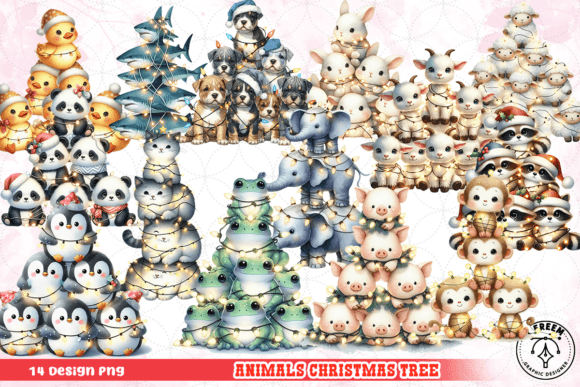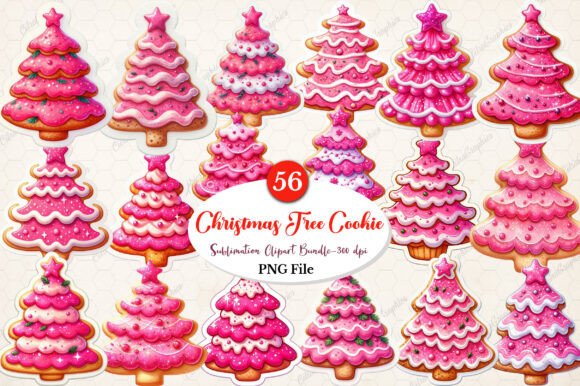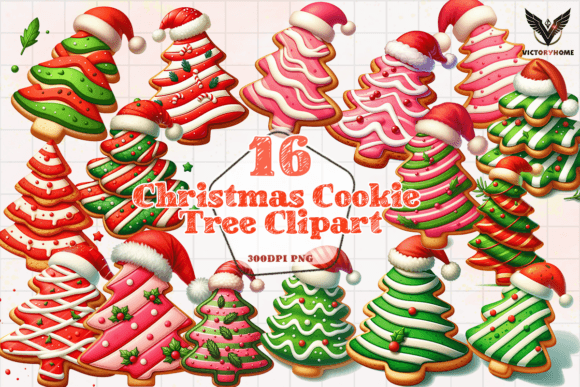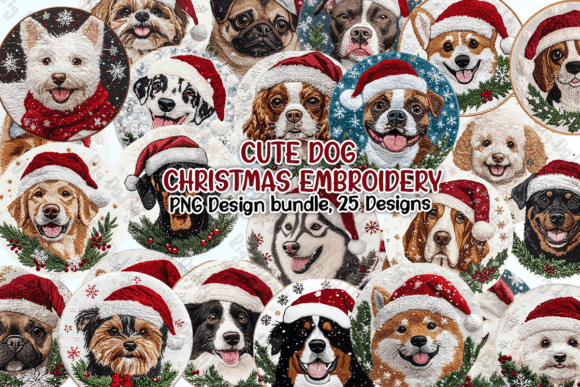
Reviewing Christmas Tree Clipart Collection for Embroidery
As a designer who spends more time troubleshooting stitch density than actually sleeping, I approach every new digital asset with a mix of hope and skepticism. The market is flooded with clipart that looks beautiful on a screen but falls apart under the needle. That is why I treat every embroidery design review as a stress test. Today, I am evaluating the Christmas Tree Clipart Collection, a set of Illustrations that promises to bring festive cheer to your next project. But does it hold up in real-world production? Can it survive the transition from a flat vector file to a textured, three-dimensional stitched piece on a customer’s sweatshirt?
I put this collection through its paces, imagining it not just as a decorative element, but as a core component of a commercial product line. Here is my practical breakdown of how these designs perform, where they shine, and where you might need to adjust your technique.
First Impressions: Mood and Visual Personality
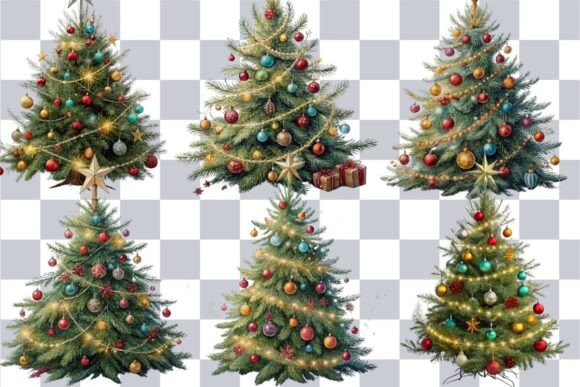
The immediate takeaway from the Christmas Tree Clipart Collection is its versatility. In the world of holiday design, there is often a divide between overly complex, ornate styles that require expensive thread counts and simplistic graphics that feel cheap. This collection strikes a balanced middle ground. The shapes are clean, the negative space is respected, and the visual personality feels warm and inviting without being cluttered.
When I first opened the files, I was looking for clarity. A good machine embroidery design needs to communicate its subject instantly, even when stitched at a smaller scale. These trees possess a distinct silhouette that reads clearly whether it is a large statement piece on a tote bag or a subtle accent on a baby onesie. The mood is cozy and traditional, which makes it an excellent choice for holiday embroidery projects that aim for a timeless aesthetic rather than a trendy, fleeting one.
The detail level is particularly noteworthy. It offers enough intricacy to look professional and high-end, yet it avoids the trap of excessive tiny elements that can get lost in the fabric weave. This balance is crucial for maintaining stitch density control, ensuring that the final finished product feels substantial rather than sparse or overly dense.
Real-World Application: From Screen to Stitch
Let’s talk about actual use cases. I recently imagined using a design from this collection for a custom embroidered tote bag design intended for a local craft fair. The goal was to create a handmade product that felt personal yet durable. I selected a medium-complexity tree design and planned to use a rich emerald green thread against a natural canvas background.
The results were promising. The satin stitch edges remained crisp, defining the branches clearly without bleeding into each other. For a small business owner or an Etsy seller, this kind of reliability is gold. You want designs that produce consistent results batch after batch. When customers receive a personalized gift or a boutique item, they are judging the quality by the neatness of the stitches and the vibrancy of the colors. This collection supports that professionalism.
Beyond totes, I see this collection performing exceptionally well in several other categories:
- Custom Apparel: Whether it’s a crewneck sweatshirt or a simple t-shirt, the central placement of a tree design creates a focal point that draws the eye. It works well as a standalone graphic or paired with minimal text.
- Baby Embroidery: Soft fabrics like muslin or cotton blends benefit from the cleaner lines of these illustrations. It adds a touch of elegance to nursery decor or baby blankets without overwhelming the gentle aesthetic.
- Kitchen Textiles: Tea towels and aprons are staple items for holiday gifting. The durability of the design means it can withstand frequent washing while maintaining its shape and color integrity.
- Embroidered Patches: For those creating embroidered patch collections, the defined borders of these trees make them ideal candidates for applique or full-stitch patches that can be ironed or sewn onto jackets and hats.
Strategic Considerations and Limitations
No design is perfect for every situation, and transparency is key for any serious designer. There are specific scenarios where you need to exercise caution with the Christmas Tree Clipart Collection.
First, consider your hoop size. While these designs are versatile, attempting to stitch intricate details from this collection in a very small hoop (under 4x4 inches) may result in a loss of definition. If you are aiming for a miniature effect, simplify the design digitally before importing it into your machine software. Always check the stitch density relative to the size; if the stitches are too close together for the fabric weight, you risk puckering.
Fabric texture also plays a major role. On highly textured fabrics, such as heavy waffle-knit fleece or bouclé wool, fine details can get swallowed up. In these cases, I recommend using a stabilizer that provides extra support and perhaps opting for a bolder, simpler variation from the collection. Similarly, on stretchy fabrics like jersey knits, ensure you are using a tear-away or cut-away stabilizer appropriate for the stretch to prevent distortion during stitching.
Dark fabrics present another challenge. If you plan to use light-colored threads on dark backgrounds, pay close attention to the contrast. Some of the finer highlights in the illustration might disappear. Testing in black and white mockups before committing to thread spools can save you hours of rework. Additionally, if you are working with layered garments or curved surfaces like caps, keep the design centered and avoid placing critical details near the edge of the hoop where tension might vary.
Practical Designer Notes for Success
To get the most out of these design assets, I recommend following a few best practices. First, always test on scrap fabric that matches the type and weight of your final material. This allows you to dial in your thread colors and tension settings. Second, inspect the small details closely. Are there any isolated stitches that might break? If so, consider merging them or adding a supporting stitch in your digitizing software.
For those selling finished goods, confirm your licensing terms carefully. While many digital embroidery files allow for commercial use of the finished physical item, restrictions may apply to reselling the digital file itself or using the design in mass-produced merchandise. Clear communication with your buyers about the handmade nature of the item adds value and builds trust.
Finally, think about presentation. High-quality printable mockups that showcase the texture of the embroidery can significantly boost engagement for your online store. Showing the tree design on different products helps customers visualize the embroidery project in their own homes. Whether you are a hobbyist making gifts for family or a craft business scaling up production, the Christmas Tree Clipart Collection offers a reliable, aesthetically pleasing foundation for your work.
In conclusion, this collection is a strong addition to any designer’s library. It respects the technical limitations of embroidery while delivering a charming, festive result. With careful planning regarding fabric, stabilizer, and hoop size, you can transform these illustrations into cherished keepsakes and profitable products.